

Okay, so check this out—if you keep crypto for more than a weekend, the choices you make now will haunt you later. Whoa! My gut says most folks underestimate how messy multi-currency portfolios get when you mix hot wallets, exchanges, and a hardware device. Seriously, that scattershot approach is a liability. Initially I thought using one wallet app would simplify things, but then reality hit: different chains, different signing formats, and a handful of corner cases that will trip up even seasoned users. Something felt off about relying on defaults.
Short story: hardware wallets are the backbone. They give you an air-gapped root of trust. Hmm… but not all hardware wallets handle every coin the same way. Some support tens of chains natively. Others rely on companion apps or third-party integrations. On one hand that can be convenient; on the other hand, it increases your attack surface because every integration is a new dependency. My instinct said pick devices with broad native support, though actually, wait—let me rephrase that: pick a device that balances native coverage with a track record of firmware audits and transparent development.
Here’s what bugs me about shoving everything into one place: you’re mixing custody models without meaning to. You might stake tokens from that same device, or store legacy coins that use odd derivation paths. Then a firmware quirk or a deprecated app update messes up the UX and—boom—you’re chasing recovery phrases at 2 a.m. This part bugs me. I’m biased, but I’ve seen it. (oh, and by the way…) backups matter more than gadget flashiness.
Multi-currency support is more than a checkbox. It dictates how you transact, how you stake, and how easy it is to recover funds after a disaster. Short term: you want convenience. Medium term: you want resilience. Long term: you want the ability to migrate without losing funds to incompatible formats or forgotten passphrase usage. There’s a lot to unpack here, so I’ll walk through practical tradeoffs and what I’d do if I had to design my own cold-storage routine today.
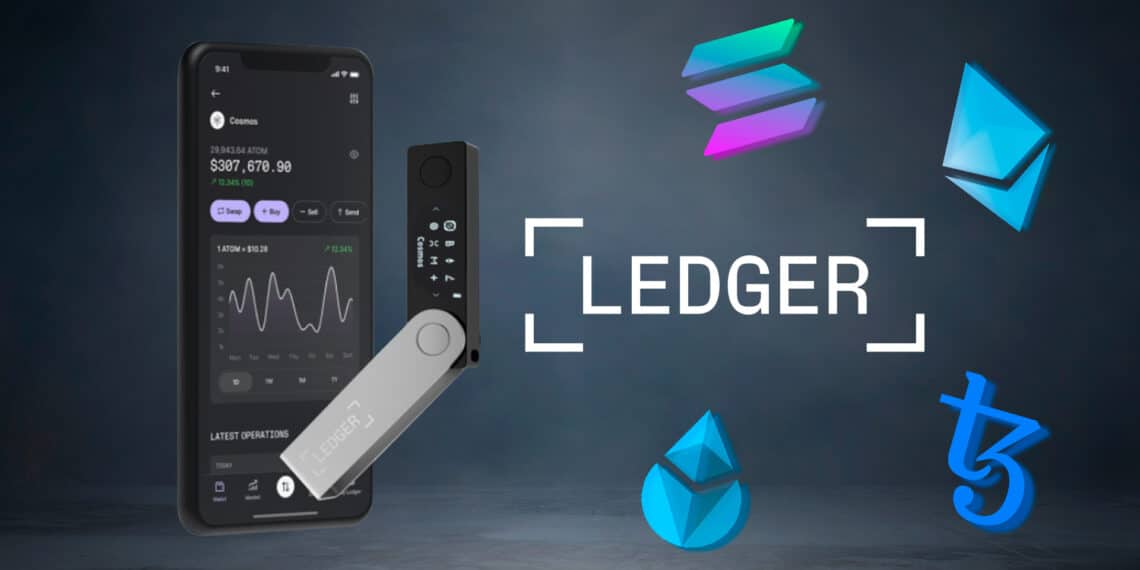
Multi-currency support — pick pragmatically, not emotionally
Multi-currency here means two things: the hardware device recognizes and can sign for many chains, and the software ecosystem around it can manage those chains smoothly. Fast thought: “bigger is better.” But hold up—bigger can also be brittle. Some devices list 1,800 tokens but rely on third-party apps for 70% of them. That creates friction. The better pattern is native support for the major chains you actually use, plus vetted bridges for niche assets.
Be realistic. If 80% of your value is in Ethereum and Bitcoin, prioritize those. If you dabble in Solana or Cosmos, confirm whether staking or multisig workflows are supported before moving funds. And check recovery compatibility—will your seed restore cleanly across open-source wallets if the vendor disappears? Pro tip: export your extended public keys (xpubs) only to trusted software and keep seed material offline. Somethin’ like this sounds tedious, but it’s worth it.
For many users, the ecosystem and the companion app matter as much as the device. That’s where trustworthy tools come in. For example, some people prefer the convenience of a polished app for managing staking and portfolio views. If you try one, use the official resources and double-check signatures. If you want a single place to manage multiple coins with an approachable UI, check out this app—https://sites.google.com/cryptowalletuk.com/ledger-live/—and then verify everything locally. I mention that because it’s an example of the sort of integrated experience that saves time, though remember to verify links and download sources.
Also: be careful with token lists. Some wallets auto-add tokens based on network events. That’s handy. It’s also how scam tokens can clutter your balance and confuse you. So, confirm token contracts manually when staking or when approving transactions.
Staking from hardware wallets — hands-on safety and yields
Staking is seductive. It feels like earning interest, and it is. But staking while maintaining cold custody requires an understanding of validator selection, delegation, and slashing risk. Short burst—Whoa!—yields can look great, but the devil is in the validator details. Pick validators with solid uptime and transparent policies. Avoid ones with sketchy fee structures or opaque teams. On one hand, some validators offer compounding or auto-reward features; on the other, those conveniences sometimes require custodial steps. Hmm… that’s a tradeoff you must weigh.
Technically, staking from a hardware wallet usually means the device signs delegation transactions or interacts with a signing service while keeping the private key offline. This is secure, but you must trust the staking interface. Always verify the transaction details on the hardware device screen. If the UI and the device disagree, trust the device—period. I’ll say it again because it’s crucial: always confirm on the device. No exceptions.
When I delegated funds, my first impression was confidence. Then I found a validator with intermittent downtime and lost rewards for weeks. Initially I thought portfolio diversification would shield me from that risk, but then I realized that validator quality is a single point of yield failure. So I rebalanced. Diversify your stake across several reputable validators, and track their performance at least weekly. Use public telemetry and community feedback to vet them.
Cold storage best practices — realistic and resilient
Cold storage is easy to describe and hard to do well. Here’s the practical stack I use, and why. First: seed generation in an air-gapped environment. Second: split backups using either Shamir or geographically separated paper backups. Third: hardware that supports passphrase-protected hidden accounts. Fourth: routine recovery drills. Yes, recovery drills—practice the whole restore process from your backups at least yearly. Sounds geeky, but trust me it prevents panic.
Two points most people skip. One: passphrases add security but also human risk—if you forget the passphrase, it’s game over. Two: metal backups are underrated. Paper degrades. Fireproof steel plates survive. Do both if you can. Also, document the recovery procedure in a locked physical location separate from the seed backups. Not on your phone. Not in email. Physical, secure, auditable by someone you trust if something happens to you.
Another practical tip: use separate devices or distinct derivation paths for long-term cold holdings versus staking or frequent transactions. That minimizes accidental exposure. Example: keep cold funds in a deep storage wallet that’s only connected for rare moves. Use another hardware wallet or account for staking and day-to-day admin. Double words happen in instructions all the time, so make your habits strong and repeatable.
Common questions
Can I stake directly from any hardware wallet?
Short answer: usually yes for major chains, but it depends. Some devices require companion apps or third-party signing integrations for specific networks. Always verify support on the vendor’s site, and check community forums for edge cases.
How many backups are enough?
At least two off-site backups plus one local encrypted backup is a reasonable baseline. If you use Shamir or multi-sig, plan the recovery steps carefully and test them. I’m not 100% sure about one-size-fits-all counts, but err on the side of redundancy.
Is a single hardware wallet sufficient for a diversified portfolio?
It can be, but mixing high-frequency staking with cold storage on one device increases risk. Consider separate devices or accounts to isolate operational risk from long-term storage.
Okay, final thought—well, not final because these things evolve fast—if you value security, be methodical. Create a routine, test it, and accept that somethin’ will always catch you off-guard. My instinct says build for recoverability first, convenience second. I’m biased for resilience, but that bias comes from seeing recoverable wallets saved lives (figuratively speaking) and unrecoverable mistakes wreck plans. Keep your seed offline, verify every transaction on the hardware screen, diversify staking, and store backups in physically separate, durable places. Do a restore drill. Then sleep a little easier.