

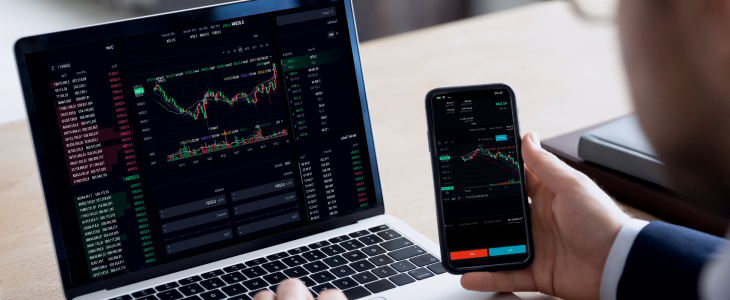
Understanding Margin in Forex Trading
Forex trading can often seem complex, especially for newcomers trying to navigate its myriad terms and concepts. One such term that is crucial to grasp is “margin.” In essence, margin is a fundamental component of trading that allows traders to open positions larger than the cash that they have in their trading accounts. Understanding margin not only aids in making informed trading decisions but also in managing risk effectively. For an in-depth look at Forex trading strategies, you can check out what is margin in forex trading https://trading-connexion.com/.
What is Margin?
Margin can be defined as the amount of money that a trader needs to deposit to open a position. It is essentially a good faith deposit that the broker holds to cover potential losses. This concept allows traders to leverage their investments; for instance, a small amount of capital can control a larger trade size. This leverage comes with its own set of risks and rewards. The margins are often expressed as a percentage of the full position size. For example, if a broker offers a margin of 1%, a trader can control $100,000 with a deposit of just $1,000.
The Importance of Margin in Forex Trading
Margin allows for greater trading flexibility and can significantly amplify profits from successful trades. However, it is equally important to understand that while margin can increase potential profits, it also magnifies potential losses. For this reason, managing margin correctly is crucial for anyone involved in Forex trading.
Types of Margin
There are several types of margins involved in Forex trading, primarily:
- Initial Margin: This is the amount required to open a position. It is the minimum deposit a trader must maintain in their margin account when initiating a trade.
- Maintenance Margin: This is the minimum equity that must be maintained in a margin account to keep the position open. If the equity falls below this threshold, the trader will receive a margin call.
Margin Requirements
Margin requirements can vary significantly between brokers and depend on various factors, such as the currency pair being traded and current market conditions. Understanding these requirements is crucial, as they dictate how much capital traders must reserve to secure their open positions. It’s important to read the terms outlined by your broker carefully, as specific instruments may carry different margin requirements.
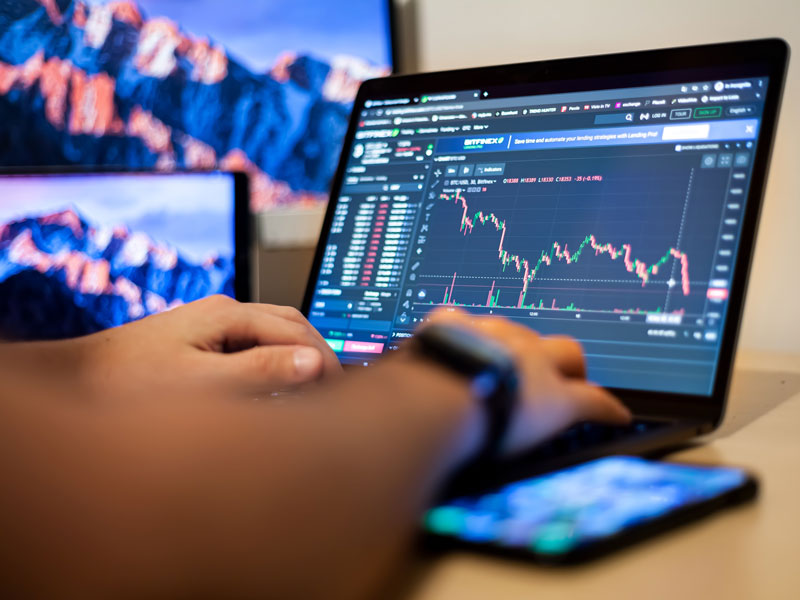
Margin Calls
A margin call occurs when the equity in a trader’s account falls below the maintenance margin requirement. When this happens, the broker requests that the trader either add more funds to their account or close positions to reduce the margin requirement. Ignoring a margin call can lead to automatic liquidation of positions by the broker, which may result in significant losses. Being aware of the signs of a potential margin call and managing funds effectively can help prevent this scenario.
Leverage in Forex Trading
Leverage is closely associated with margin, as it allows traders to control larger positions than their initial investments. For example, using a leverage of 100:1 means that for every $1 in their account, a trader can control $100 in the market. While leverage can boost potential returns, it also increases risks, as losses can accumulate quickly. Therefore, it’s essential to use leverage judiciously and know one’s risk tolerance. Understanding how much margin is required for specific leverage levels is key for responsible trading.
Risk Management and Margin
Effective risk management in Forex trading involves understanding margins and how they influence your trading strategy. Some tips include:
- Use Stop Loss Orders: Implement stop-loss orders to limit potential losses. These can help mitigate risks, especially when trading on margin.
- Calculate Margin Levels: Always monitor your margin levels and ensure you have adequate funds to meet margin requirements as your positions fluctuate.
- Understand Position Size: Before trades are executed, traders should consider their account size, leverage, and margin requirements to determine an appropriate position size.
Conclusion
Understanding margin in Forex trading is vital for anyone looking to succeed in the global currency markets. It not only allows for leveraged trading, leading to potential profits but also introduces risks that must be mitigated through effective risk management strategies. By grasping the nuances of margin, traders can enhance their trading experience and make informed decisions in their Forex endeavors.
Final Thoughts
As a final note, it’s important to continue educating oneself about margin and other trading concepts. The Forex market is dynamic, and staying informed is key to successfully navigating its complexities. Always remember to leverage margin wisely and manage risks appropriately to ensure long-term success in trading.