

In the ever-evolving world of education, where details moves abundantly and accessibility to understanding is only a click away, student-driven encyclopedias are becoming a vibrant tool in the learning process.
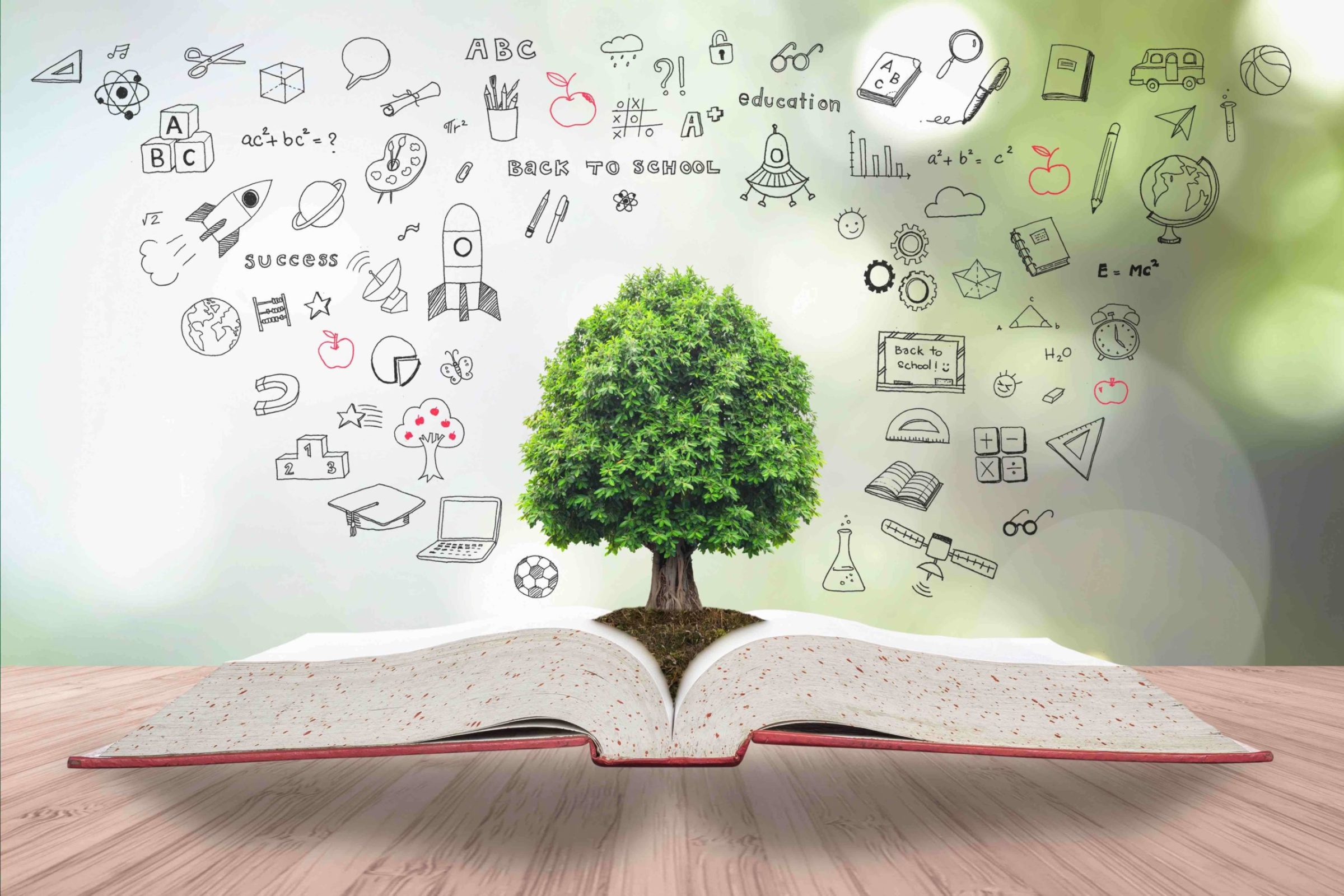
These systems not only provide trainees with a database of info however likewise urge them Qammunity to add, modify, and curate material, cultivating a collective and interactive discovering setting.
As academic paradigms shift in the direction of more participatory and inclusive designs, the idea of student-driven encyclopedias personifies this transformation. These platforms encourage students to come to be active individuals in understanding creation, bridging the gap between standard textbook learning and modern-day electronic sources.
The Principle of Student-Driven Encyclopedias
Student-driven encyclopedias are digital systems where pupils jointly collect, validate, and disseminate information on a wide selection of topics. Unlike conventional encyclopedias, which are usually created by specialists, these systems take advantage of the joint efforts of students to develop a thorough body of knowledge.

At their core, student-driven encyclopedias are developed to cultivate vital reasoning, research abilities, and electronic proficiency amongst trainees. By engaging in the process of content development, students learn to browse and review details critically, abilities that are crucial in today’s information-rich society.
Moreover, these systems function as a room for pupils to explore their rate of interests and share their experience. This democratic method to knowledge development guarantees that a diverse range of perspectives and voices are represented, enriching the discovering experience for all individuals.
- Trainees get hands-on experience in research study and material production.
- Urges collaboration and peer interaction.
- Advertises a much deeper understanding of subject.
- Fosters inclusivity and variety in understanding depiction.
Fundamentally, student-driven encyclopedias transform pupils from passive receivers of information into energetic factors, instilling a feeling of possession and responsibility in their academic trip.
Benefits of Student-Driven Encyclopedias
Among the major benefits of student-driven encyclopedias is the advancement of important 21st-century abilities. As students engage in the procedure of content production, they develop their critical thinking, digital proficiency, and interaction skills, all of which are essential in today’s interconnected world.
Furthermore, these systems motivate a collective knowing setting, where pupils can interact to confirm details, argument different point of views, and co-edit short articles. This peer-to-peer interaction not only enhances finding out outcomes yet additionally cultivates a sense of area and common respect amongst trainees.
Furthermore, student-driven encyclopedias provide a system for showcasing student job. As trainees contribute to the encyclopedia, they build a profile of their study and writing, which can be very useful for further academic and expert pursuits.
Challenges and Limitations

Despite the numerous benefits, student-driven encyclopedias likewise face specific challenges. Guaranteeing the accuracy and dependability of info is vital, as these systems rely upon contributions from students who may not yet possess expert-level expertise.
- Keeping material high quality and accuracy.
- Providing appropriate supervision and advice.
- Ensuring fair access and inclusivity.
To alleviate these obstacles, many student-driven encyclopedias execute a system of checks and equilibriums, where web content is assessed by educators or specialists prior to publication. This ensures that the information provided is both accurate and trustworthy, upholding the stability of the system.
The Future of Student-Driven Encyclopedias
As modern technology continues to advance and the landscape of education progresses, the possibility for student-driven encyclopedias is huge. These systems have the capability to not only complement traditional educational sources but additionally redefine the means knowledge is acquired and shared.
In the future, we may see student-driven encyclopedias incorporating more advanced technologies such as artificial intelligence and machine learning to boost content curation and customization. Furthermore, they might expand beyond textual info to include multimedia web content, offering a much more immersive discovering experience.
Equipping the Future Generation
Student-driven encyclopedias hold the promise of empowering the future generation of students. By positioning trainees at the helm of expertise development, these systems motivate long-lasting understanding, inquisitiveness, and intellectual independence.
In conclusion, as academic systems remain to introduce, student-driven encyclopedias stand as a testament to the power of cooperation and the significance of student agency in the discovering process. By welcoming these systems, we unlock to a more comprehensive, appealing, and dynamic instructional experience for all.