

Poker Live – What Makes the Live Experience Different From Standard Poker
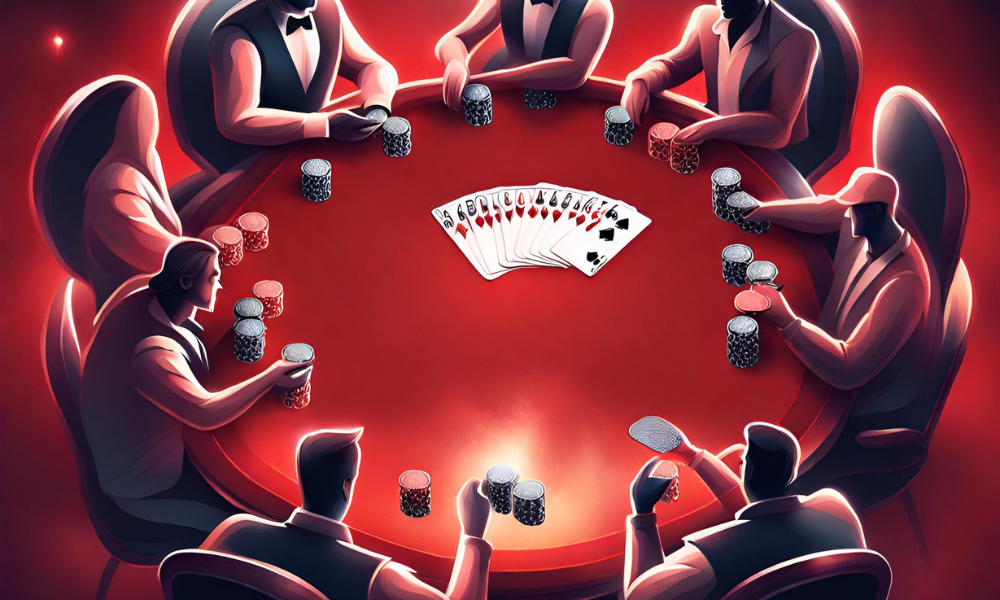
Choose live poker for its psychological depth and social dynamics. You sit across from opponents, reading their subtle physical tells–a hesitant hand gesture, a change in breathing pattern, or a fleeting glance. These non-verbal cues offer a rich layer of information unavailable online. The atmosphere of a casino or card room, with its distinct sounds and pace, creates a unique experience focused on human interaction and observation.
Opt for online platforms if you prioritize speed, volume, and analytical play. You can easily play hundreds of hands per hour across multiple tables, a rate impossible in a live setting. This volume accelerates learning and allows for rapid implementation of strategy based on statistical data like pot odds and player tendencies. Software tools can track every action, providing instant feedback on your decisions and highlighting leaks in your game.
Your bankroll management strategy must adapt to each environment. Live games typically feature higher stakes and greater volatility due to larger rake structures and slower hand rates, requiring a more robust bankroll. Online poker demands discipline against the temptation of multi-tabling and the accessibility of countless low-stake games, which can lead to quicker losses if focus wavers. Setting strict limits on playing time and table count is necessary for long-term sustainability.
Prepare for different mental challenges. Live sessions test your endurance and patience through long periods of inactivity between big hands. Online play demands intense concentration to process rapid-fire information from several tables simultaneously, fighting fatigue and distraction. Each format cultivates distinct skills, and many successful players cross-train to strengthen their overall strategic approach and mental fortitude.
Live Poker vs Online: Key Differences and Player Experience
Choose live poker for developing your social intuition and reading physical tells. A typical live cash game deals 25-35 hands per hour, creating a slower, more deliberate pace. This allows you to deeply analyze each opponent’s mannerisms, from bet timing to chip handling. You gain information that is simply unavailable online.
The Pace and Information Gathering
Online poker accelerates the game dramatically, with speeds of 75+ hands per hour on a single table and multi-tabling being standard. This environment shifts your focus to betting patterns and statistical analysis rather than physical behavior. Use tracking software like Hold’em Manager 3; it provides a wealth of data, turning your screen into a dashboard of opponent tendencies. You make decisions based on stats like VPIP (Voluntarily Put $ In Pot) and pre-flop raise percentage, not a nervous glance.
Bankroll management rules change between formats. A comfortable online bankroll requires 20-30 buy-ins for cash games due to higher volume and variance. For live games, where variance is lower and win rates are often higher, 10-15 buy-ins are typically sufficient. Adjust your stakes accordingly.
Atmosphere and Mental Stamina
The live setting demands mental energy for social interaction and maintaining a steady table image over long sessions, which often last 6-8 hours. Online play tests your discipline in different ways: the ease of clicking buttons can lead to tilt-induced mistakes, and the convenience allows for impulsive re-buys. Set strict session time limits and loss limits for online play to combat this.
Your learning path will differ. Improve your live game by discussing hands with players away from the table and observing high-stakes streams. To sharpen your online skills, utilize solvers like PioSOLVER to study complex spots and review your hand histories weekly. Focus on one area for improvement each month, such as 3-bet bluffing frequencies or river sizing.
Reading Physical Tells vs. Digital Timing Tells
Focus your observation on a player’s bet timing bar. A quick check or fold often indicates genuine weakness, while a long pause followed by a raise typically signifies genuine strength, especially on the river in big pots. This pattern is a reliable digital tell you can use to make better folds.
Mastering Digital Tells
Online play converts physical mannerisms into time-based data points. Track these patterns using poker tracking software like Hold’em Manager or PokerTracker. These tools log every action, allowing you to analyze a player’s pre-flop raise percentage or their average time to call a 3-bet.
- Instant Call: A very fast call on the flop or turn frequently indicates a draw. The player has already decided to see the next card.
- Hesitation Then Bet: A timed delay followed by a bet can be a sign of a medium-strength hand, like top pair, unsure whether to value bet or check.
- Auto-Actions: A player who uses auto-check-fold box is revealing a complete lack of interest in the current hand.
Exploiting Physical Tells Live
Live poker requires direct observation of human behavior. Look for consistent, repetitive behaviors rather than one-off nervous ticks.
- Posture Shift: A player who suddenly sits up straight and looks intently at their cards or the board often has a very strong hand.
- Hand Movements: Inexperienced players who act weak by sighing or shrugging (“Hollywooding”) often have a strong hand and are trying to induce a bet.
- Glance at Chips: A quick, involuntary glance at their chip stack after the flop is a strong indicator of interest and a potential bet.
Build your strategy by focusing on one or two opponents per live session. In online games, use your HUD to identify timing tells and tag players with specific tendencies. Consistently applying these observations will directly improve your win rate in both environments.
Managing Your Bankroll: Table Stakes vs. Instant Deposits
Treat your live poker bankroll as a finite physical resource. You buy in for a set amount, and that cash on the table represents your entire risk for that session. This physical barrier naturally enforces discipline; once your chips are gone, your play stops. Use this structure to your advantage. A common strategy is to only bring a set number of buy-ins for your chosen stake–for instance, three buy-ins for a $1/$2 game means your session bankroll is $600. Leave extra cash and cards at home to prevent the temptation of rebuying beyond your limit.
The Discipline of Physical Cash
This tangible separation between your poker funds and your life funds is a powerful psychological tool. Losing chips feels more concrete than watching a digital number decrease. That physicality makes you more selective with your hands and more aware of variance. You can’t instantly reload, so each decision carries more weight, fostering a tighter and more thoughtful approach to the game.
The Digital Challenge of Instant Access
Online poker removes that physical barrier. With instant deposits and a seemingly endless supply of cash just a few clicks away, the risk of overspending is real. To combat this, use the software tools provided. Set strict deposit limits for yourself on a weekly or monthly basis. Most reputable sites allow you to configure these limits in your account settings, adding a layer of protection. Never play directly from your bank account; instead, fund a dedicated poker account and only play from that balance.
Your online bankroll should be much larger than your live one to withstand higher variance. While you might risk 5% of your roll on a single live session, your online stake should represent a far smaller percentage, perhaps 1-2%. This means if you have a $2,000 bankroll, your buy-in should be for $20-$40 games, not $200. This larger cushion allows you to handle the faster pace and greater number of hands without going broke during a normal downswing.
FAQ:
What is the biggest difference in game speed between live and online poker?
The pace of play is drastically different. In a live casino, you might see 25-30 hands per hour at a full table due to physical card shuffling, dealing, and players taking time to make decisions. Online, you can easily play 60-100 hands per hour at a single table, and many players multi-table, meaning they play two, four, or even eight games simultaneously. This speed forces online players to make quicker, more mathematically-driven decisions.
How does the social aspect compare?
Live poker is inherently a social activity. You interact with dealers and other players, read physical tells like body language and nervous habits, and experience the atmosphere of the casino. Online poker is largely anonymous and solitary. Communication is limited to pre-set chat options, and “reads” are based on betting patterns and timing tells rather than physical demeanor. For many, the social experience is the primary reason to play live.
Is it easier to play online because there are more resources available?
Yes, the accessibility of tools is a major advantage online. Players can use software like trackers (e.g., Hold’em Manager) and Heads-Up Displays (HUDs) that collect data on opponents’ tendencies, providing statistics directly on the screen. This allows for a more analytical, data-driven approach. In live poker, you must rely on your own observation, memory, and note-taking skills, making the game more about instinct and psychological perception.
Are the players tougher online?
Generally, yes. The convenience and lower stakes available online attract a much larger player pool, which includes many serious players who study the game intensely using training sites and solvers. The average low-stakes online game is typically tougher than a comparable live game. Live poker rooms often have a higher proportion of recreational players (“fish”) who are there for entertainment, making the games potentially softer, especially at low and mid-stakes.
Can I use the same strategy for both formats?
While the fundamental rules are identical, optimal strategy adjusts for each format. Online, with its faster pace and multi-tabling, rewards a more aggressive, mathematically precise style focused on maximizing profit per hand. Live poker requires adjusting to a slower pace, deeper stacks (often), and a greater emphasis on player profiling and exploiting psychological tells. A strategy that works well online might seem overly robotic and transparent in a live setting, and vice versa.
What’s the biggest difference in skill required between live and online poker?
The most significant difference lies in the speed and volume of hands. Online poker is much faster, with automated dealing and betting, allowing you to see hundreds of hands per hour. This demands intense focus, quick decision-making, and a strong grasp of poker math and statistics. You’re also using tracking software (HUDs) to analyze opponents’ tendencies. Live poker, in contrast, is a slow, social game. You might only see 25-30 hands per hour. The key skills shift to physical tells, table talk, patience, and managing your emotional demeanor over long sessions. Reading people becomes as important as reading the cards.
I’m used to playing online. What should I expect when I first sit at a live poker table?
Expect a much slower pace and a more social atmosphere. You’ll need to physically handle your chips for bets, protect your hand, and verbally announce your actions clearly. There’s no automatic dealer; you must pay attention to the action to avoid missing your turn. You won’t have a HUD, so you must observe opponents and take mental notes. Distractions are different—conversations, dealer errors, and player behavior instead of internet tabs or notifications. Start with shorter sessions to adjust to the pace and avoid mental fatigue from the constant social interaction and manual game mechanics.
Reviews
David Clark
How much does the lack of physical tells online change the strategy? I find live reads crucial. Do you adjust your starting hand selection significantly for internet play?
CrimsonRose
Honestly, the lack of physical presence online is a real problem. You can’t see a player’s nervous tick or how they handle their chips. It feels so much more anonymous and cold. I worry this distance encourages a more reckless style of play, where people just click buttons without any real consequence. The social aspect, the entire soul of the game, is completely lost on a screen. It becomes purely mathematical, stripping away the human psychology that makes live poker so compelling and unique.
Alexander
The felt’s whisper, a shared breath across the table – that tension is life itself. A screen can’t replicate the soul of that moment. It’s a different kind of truth.
Jonathan
The lack of human tells in online poker is deeply concerning. We’re trading subtle psychological nuance for pure, cold math. That visceral thrill of a live read—a hesitant glance, a nervous tell—is completely absent. This shift risks reducing the game to a sterile calculation exercise, stripping away its soul and the profound interpersonal tension that makes it truly romantic.
Daniel
As a player who learned the game online but recently fell in love with the live room, I’m curious about the psychological adjustment. You mention the physical tells and social dynamics of a live game, but how do you train your mind to maintain the same level of disciplined, mathematical focus you develop online when you’re suddenly surrounded by all that human noise and chatter? My online brain is a cold calculator, but my live brain gets distracted by personalities and the desire to be sociable. Is the key to becoming a strong live player learning to quiet that social impulse, or is there a way to successfully integrate that human element into your decision-making process without it becoming a strategic weakness?