


Bollinger Bands Strategy for Pocket Option: A Comprehensive Guide
The Bollinger Bands Strategy Pocket Option Стратегия Bollinger Bands is one of the most popular technical analysis tools used by traders today. Developed by John Bollinger in the 1980s, this strategy helps traders identify market volatility and potential price reversals. In this article, we will explore the Bollinger Bands strategy for Pocket Option, discussing its fundamentals, benefits, and how to effectively implement it in your trading game plan.
What Are Bollinger Bands?
Bollinger Bands consist of three lines: the middle band, which is a simple moving average (SMA), and the upper and lower bands, which are two standard deviations away from the middle band. The bands expand and contract based on market volatility. When the market is more volatile, the bands widen; when it is less volatile, they narrow. This makes Bollinger Bands a powerful tool for traders to assess market conditions.
Understanding the Components of Bollinger Bands
Each component of Bollinger Bands serves a crucial purpose in trading analysis:

- Middle Band: Typically a 20-period SMA, it acts as a baseline for assessing price movement.
- Upper Band: This is the middle band plus two standard deviations. It indicates overbought conditions.
- Lower Band: This is the middle band minus two standard deviations. It indicates oversold conditions.
How to Use Bollinger Bands on Pocket Option
When trading using Bollinger Bands on the Pocket Option platform, follow these steps:
- Choose Your Time Frame: Depending on your trading style, select a time frame that suits your strategy, whether it be intraday or longer-term.
- Set Up Your Indicator: On Pocket Option, find the indicators section and add Bollinger Bands to your chart.
- Analyze Price Action: Observe how price interacts with the bands. When the price touches the upper band, it may be time to look for selling opportunities. Conversely, touching the lower band could indicate a buying opportunity.
- Confirm with Other Indicators: To increase accuracy, use additional indicators such as RSI or MACD for confirmation before making a trade.
- Implement Risk Management: Always set stop losses to protect your capital. Allocate only a small percentage of your trading account to each trade.
Advantages of Using Bollinger Bands Strategy
Using the Bollinger Bands strategy on Pocket Option offers several advantages:
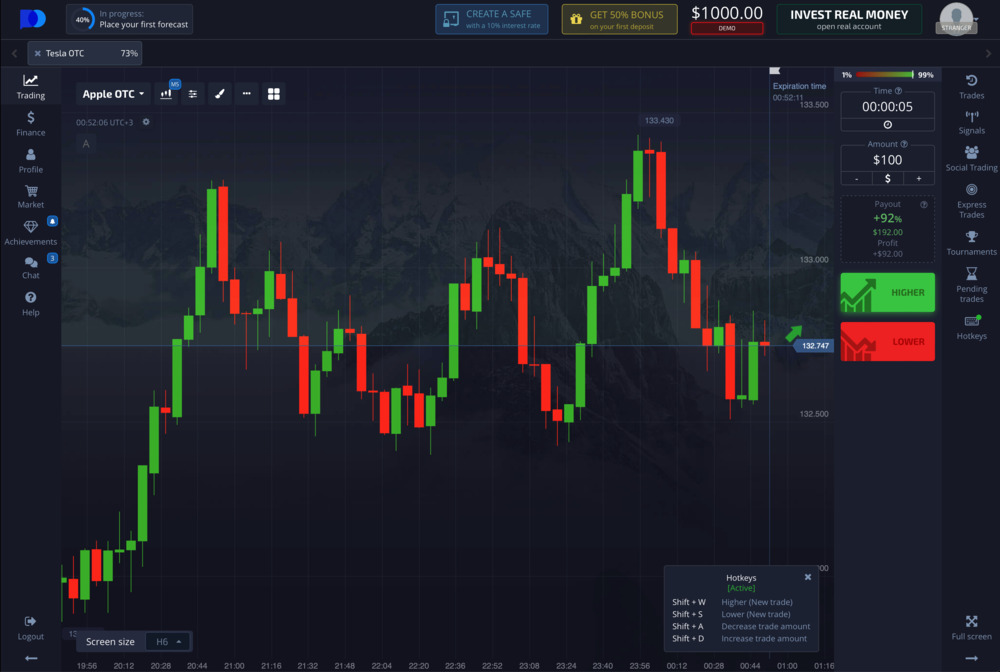
- Visual Representation: The bands provide a clear visual representation of market volatility, helping traders make informed decisions.
- Versatile Tool: It can be applied across various assets, including forex, stocks, and cryptocurrencies.
- Effective for Different Trading Styles: Whether you’re a day trader or a swing trader, Bollinger Bands can be tailored to fit your strategy.
Common Mistakes to Avoid
While Bollinger Bands can be powerful, traders should be cautious of some common pitfalls:
- Ignoring Market Context: Use Bollinger Bands in conjunction with other analyses. Markets can remain overbought or oversold for an extended period.
- Over-reliance on Indicators: Indicators should support your trading decisions, not dictate them. Always consider market fundamentals and news events.
- Neglecting Risk Management: It’s essential to implement risk management strategies and avoid emotional trading decisions.
Final Thoughts
The Bollinger Bands strategy is a valuable tool for any trader using Pocket Option. By understanding its components and how to implement it effectively, traders can enhance their prospects for success. Remember to combine this strategy with thorough market analysis and sound risk management practices to navigate the financial markets with confidence.