

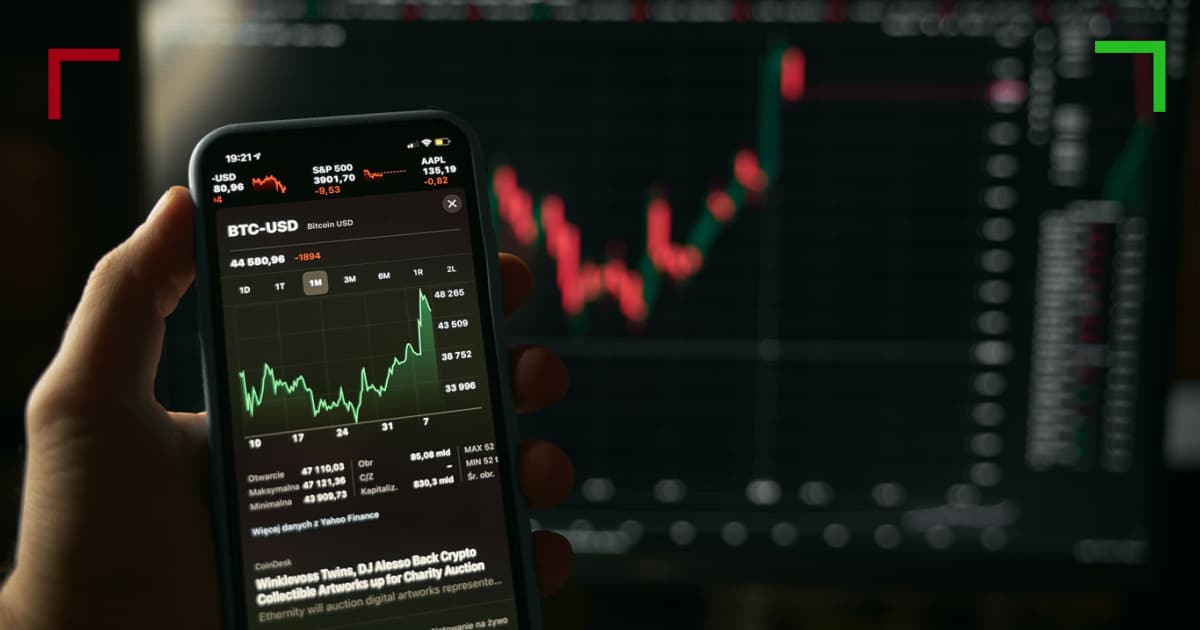
The Ultimate Guide to Crypto Trading Framework
In the fast-paced world of cryptocurrency trading, having a solid framework is essential for success. A Crypto Trading Framework serves as a foundational system that helps traders make informed decisions based on various market indicators, technical analysis, and trading psychology. By establishing a structured approach to trading, one can improve their chances of maximizing profits while mitigating risks. To learn more about effective investment strategies, you can Crypto Trading Framework visit website.
What is a Crypto Trading Framework?
A Crypto Trading Framework is not just a set of tools or rules; it’s a comprehensive approach to navigating the cryptocurrency market. It comprises several components, including:
- Technical Analysis: Study of price patterns, indicators, and market trends.
- Fundamental Analysis: Evaluation of the intrinsic value of a cryptocurrency based on market demand, utility, and other indicators.
- Risk Management: Strategies to minimize potential losses through diversification and position sizing.
- Trading Psychology: Understanding emotional control, discipline, and the mental aspects of trading.
Key Components of a Successful Crypto Trading Framework
1. Technical Analysis
Technical analysis involves analyzing past price movements to predict future price actions. Traders utilize various tools and indicators, including:
- Moving Averages (MA): Helps smooth out price data to identify trends.
- Relative Strength Index (RSI): Measures the speed and change of price movements.
- MACD (Moving Average Convergence Divergence): Used to identify changes in momentum.
- Fibonacci Retracement Levels: Helps identify potential reversal levels based on historical price data.
2. Fundamental Analysis
Unlike technical analysis, fundamental analysis focuses on the underlying value of a cryptocurrency. Key factors to consider include:
- Project Team: The experience and background of the development team.
- Use Case: The problem the cryptocurrency aims to solve.
- Market Demand: The level of interest and demand for the token.
- Competition: Analyzing other cryptocurrencies with similar offerings.

3. Risk Management
Effective risk management is crucial in trading. Strategies include:
- Position Sizing: Determining how much of your capital should be risked on a single trade.
- Diversification: Spreading investments across different cryptocurrencies to reduce risks.
- Stop-Loss Orders: Setting predetermined price levels at which trades will automatically close to prevent larger losses.
- Risk-Reward Ratio: Assessing potential profits against possible losses for each trade.
4. Building Trading Psychology
Your mindset plays a significant role in trading outcomes. To cultivate a positive trading psychology:
- Set Realistic Goals: Aim for achievable targets that promote consistency rather than excessive risk.
- Keep a Trading Journal: Documenting trades helps reflect on decisions and improve strategies over time.
- Practice Patience: Avoid impulsive decisions; wait for favorable trading setups.
- Accept Losses: Understand that losses are part of trading and should be treated as learning opportunities.
Creating Your Personalized Trading Framework
To create a personalized Crypto Trading Framework, follow these steps:
- Define Your Trading Goals: Understand what you aim to achieve through trading—be it day trading, swing trading, or long-term investing.
- Choose Your Trading Style: Decide whether you want to be a scalper, day trader, or long-term investor based on your personality and schedule.
- Select Tools and Indicators: Pick the right technical tools and indicators that match your trading style and comfort level.
- Establish a Risk Management Plan: Create guidelines for how much capital you will risk on each trade and overall portfolio management.
- Test and Refine: Start small and gradually scale up while continuously analyzing and adjusting your framework based on performance.
Conclusion
In summary, developing a robust Crypto Trading Framework is essential for achieving long-term success in the unpredictable world of cryptocurrency trading. By combining technical and fundamental analysis with a solid risk management strategy and strong trading psychology, traders can enhance their decision-making processes. Creating a personalized framework that aligns with your goals and trading style can significantly improve your trading results. Remember, the cryptocurrency market is constantly evolving, and staying adaptable within your framework is key to navigating challenges and seizing opportunities.